
Best cities to live in Japan 2026
皆さん、こんにちは!(Hello everyone!)
Welcome back to the ultimate guide on making Japan your new home! If you are reading this, you are probably thinking about that big move to the Land of the Rising Sun, and let me tell you, Japan is the place to be in 2026. But look, moving to a new country is not just about packing a bag and hopping on a flight; it’s about finding that one city that feels “Ek Number” for your career, your family, and your peace of mind. Whether you are a techie from Bangalore looking at Tokyo’s skyscrapers, a mechanical engineer from Indore eyeing the automotive hubs in Nagoya, or a digital nomad wanting that laid-back Fukuoka vibe, this report is for you.

Japan in 2026 is undergoing a massive transformation. With a shrinking domestic workforce and a booming “manufacturing renaissance,” the government is rolling out the red carpet for high-skilled foreign talent, especially from India. We are talking about a total foreign population nearing 4 million, with the Indian community being one of the fastest-growing and most respected groups. But where do you actually settle down? Tokyo is huge, but is it too expensive? Osaka is friendly, but can you find a job there? Bhaiya, don’t worry, because I have crunched the numbers, checked the neighbourhoods, and even looked at the best places to get a decent plate of Poha-Jalebi (well, almost!) to give you this comprehensive urban analysis.
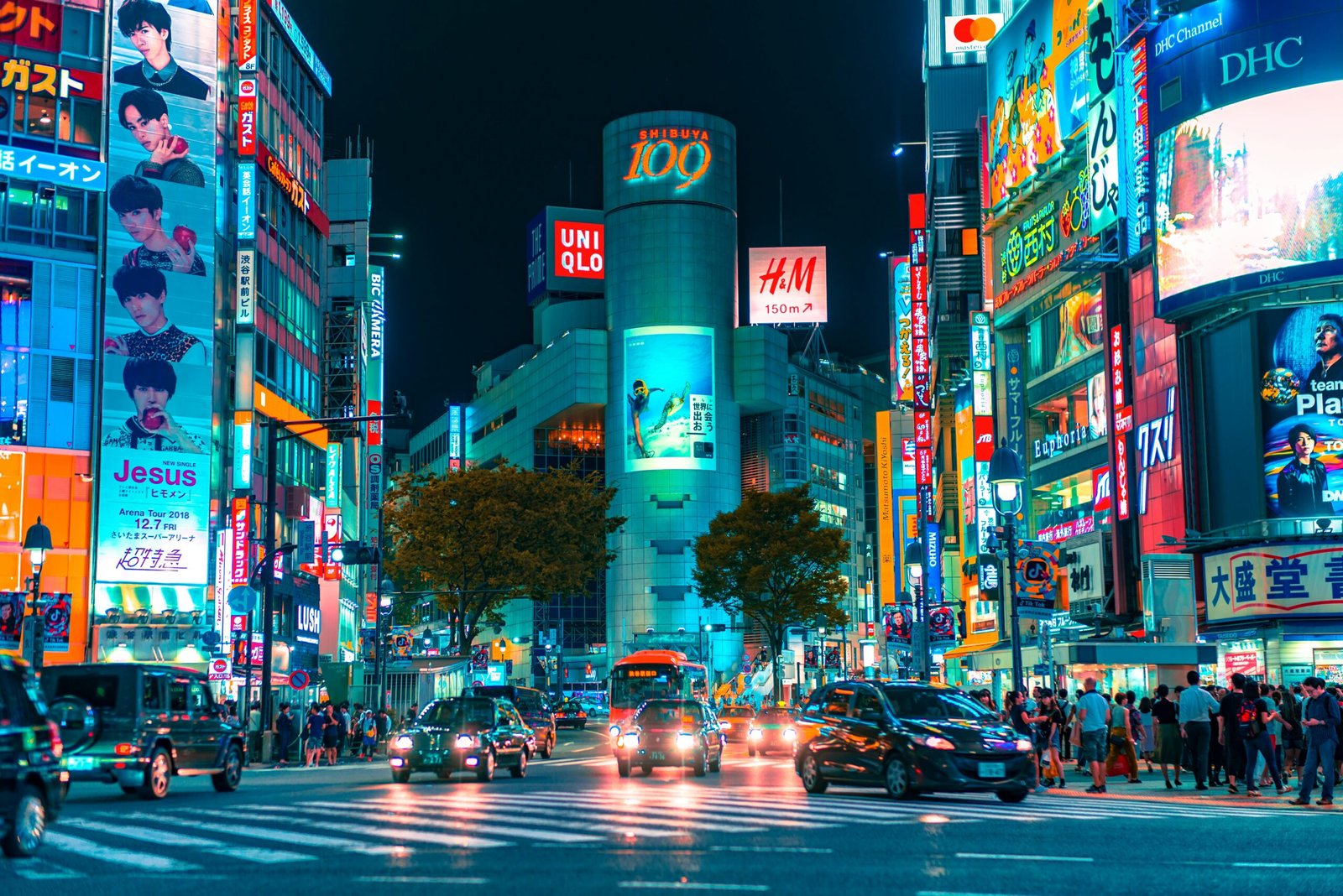
Tokyo: The Global Hub and the Ultimate Metropolis
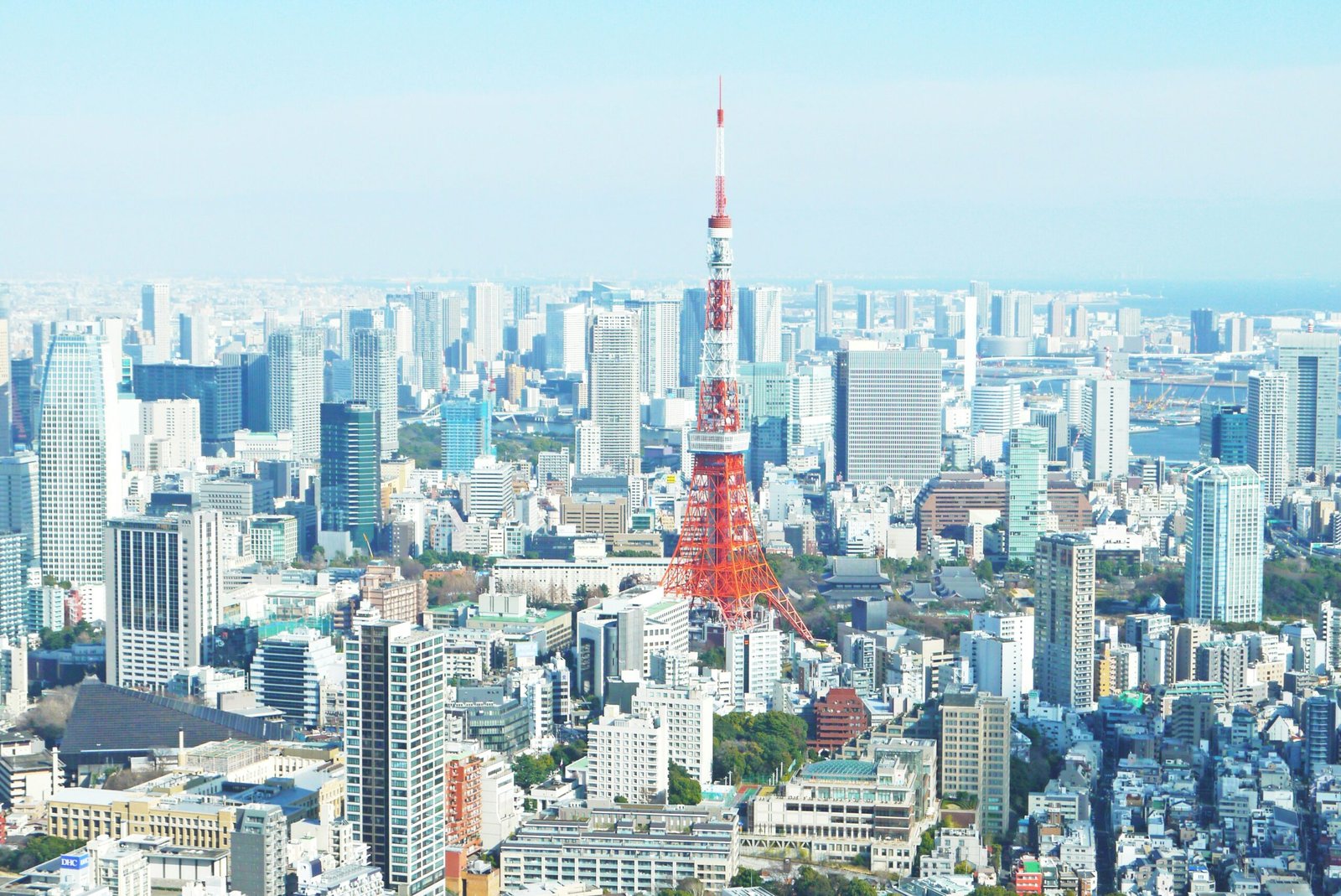
Tokyo is not just a city; it is a world within a city. In 2026, it continues to rank among the top ten best cities globally, having recently overtaken New York in cultural interaction and livability rankings. For the expat looking for “Tribhinnat” opportunities, Tokyo is the beating heart of the Japanese economy. It is where the most prestigious multinational corporations, global banks, and cutting-edge tech firms are concentrated.
Professional Landscapes and Job Opportunities
The job market in Tokyo for 2026 is seeing an unprecedented demand for English-speaking or bilingual professionals. The IT sector is thriving like never before, with an all-time high demand for AI researchers, cybersecurity specialists, data analysts, and software engineers. Innovative startups and global tech giants in Roppongi and Shibuya are specifically looking for international talent to drive their digital transformation.
Finance and banking remain heavyweights in the Tokyo economy. As a major global financial centre, Tokyo hosts branches of top investment firms and global banks, with popular roles emerging in fintech, risk analysis, and asset management. Even for those just starting out, English teaching remains a reliable entry point, with positions available at international schools and private academies like eikaiwa. Furthermore, because Tokyo is a global tourism hotspot, the hospitality sector is constantly recruiting for luxury services, travel agencies, and hotels where foreign language skills are highly valued.
The International Community and Integration
One of the biggest concerns for any Indian moving abroad is the fear of being lonely. Bhiyaa, in Tokyo, that concern is “Iski 12 ki dher” because the international community here is massive and incredibly active. Tokyo hosts one of the largest expat populations in Asia, spanning hundreds of nationalities. You will find countless community groups, cultural associations, and networking meetups that organise everything from language exchanges to professional seminars.
Certain neighbourhoods are famous for their international flavour. Roppongi is the diplomatic hub, home to foreign embassies and upscale dining. If you want that stylish, fashionable lifestyle, Daikanyama and Shibuya are the places to be.
Nishi-Kasai: The “Must-Live” Hub for Indians
Bhiyaa, if you want to feel like you never left home, you must check out Nishi-Kasai in Edogawa Ward. This is Japan’s “Little India,” and it is legendary! By 2026, it will have grown to house nearly 10% of the entire Indian population in Japan.
Why is it a must? Because the infrastructure for Indian life here is “Ek Number.” We are talking about multiple Indian grocery stores (like Ambika), speciality clothing shops, and over a dozen authentic Indian restaurants that serve everything from spicy North Indian thalis to South Indian dosas. For families, there are dedicated international schools for Indians, and for your spiritual peace, you have a Hindu temple and a Hare Krishna temple right in the neighbourhood. Every year, the community comes together for massive Holi and Diwali celebrations in the local public parks, organised by the Indo Nihon Cultural Committee—it’s the perfect way to beat any homesickness.
Convenience and Connectivity
Tokyo’s infrastructure is designed to keep life running smoothly. The rail and subway systems are fast, punctual, and so expansive that you can travel anywhere with total confidence, even late at night. The city supports a 24-hour lifestyle through its konbini culture—convenience stores that are your lifeline for everything from freshly prepared meals to paying your utility bills. High-speed fiber internet and seamless cashless payment options are the norm, making daily errands effortless.
Top Residential Picks in Tokyo
When choosing where to live, you have to balance rent with lifestyle. Roppongi is for the high-flyers, with luxury high-rises and average studio rents ranging between ¥150,000 and ¥250,000. If you want something more low-key but still upscale, Daikanyama offers a “village-like” atmosphere with stylish boutiques and a studio rent of about ¥134,400. For those who want the best mix of nature and culture, Kichijoji is consistently voted the most desirable neighbourhood by locals. It centres around Inokashira Park and offers a warm, small-town feel for a more reasonable ¥110,200 monthly rent.
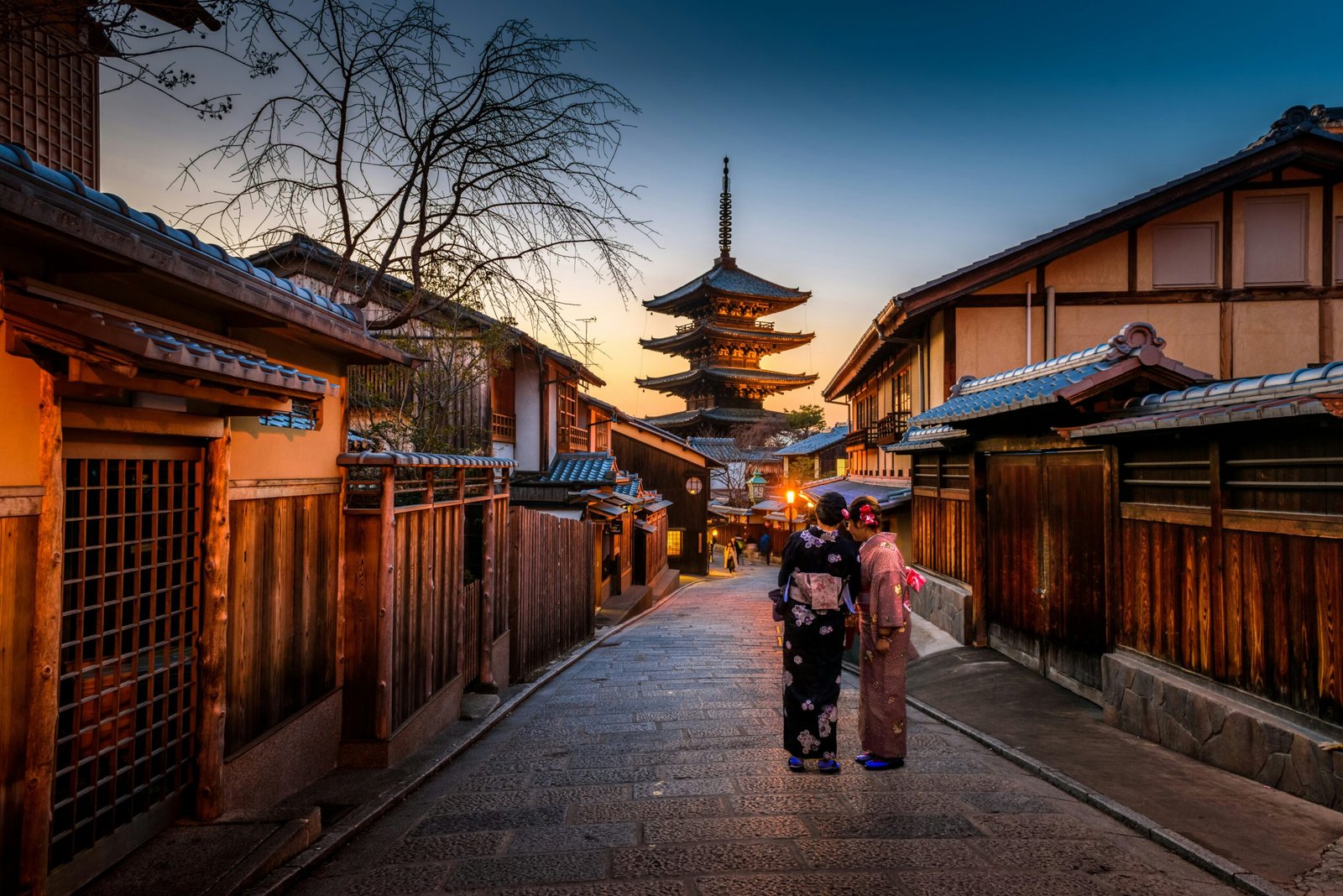
Kyoto: The Nexus of Tradition and Modern Innovation
While Tokyo is the fast lane, Kyoto is where you go when you want a “Bhannat” quality of life that respects the past while building the future.2 In 2026, Kyoto is recognised not just for its temples but as a sophisticated innovation hub. It’s a city that offers a slower pace of life, balanced urban planning, and a deep focus on physical and mental well-being.
The Technology and R&D Powerhouse
Don’t let the traditional architecture fool you—Kyoto is a tech beast. It is the birthplace of Nintendo and a global leader in creative tech and R&D labs.6 The city is attracting a new wave of entrepreneurs and remote workers who appreciate the tranquillity of the Philosopher’s Path or the Kamo River while working on cutting-edge research.3 The coworking scene around Karasuma is growing fast, catering to digital nomads who want a city that feels big but not overwhelming.
Top 3 Residential Picks in Kyoto
Sakyo Ward is the academic heart of the city, home to Kyoto University and iconic landmarks like Ginkaku-ji. It is incredibly affordable for singles, with average studio rents at a very reasonable ¥37,500. If you prefer a more central, urban vibe, Nakagyo Ward mixes historic charm with trendy modern cafes, costing around ¥48,500 for a studio. For those who want to be surrounded by pure nature, Arashiyama in Ukyo Ward is world-famous for its bamboo groves and scenic beauty.
Osaka: The Friendly Business Hub
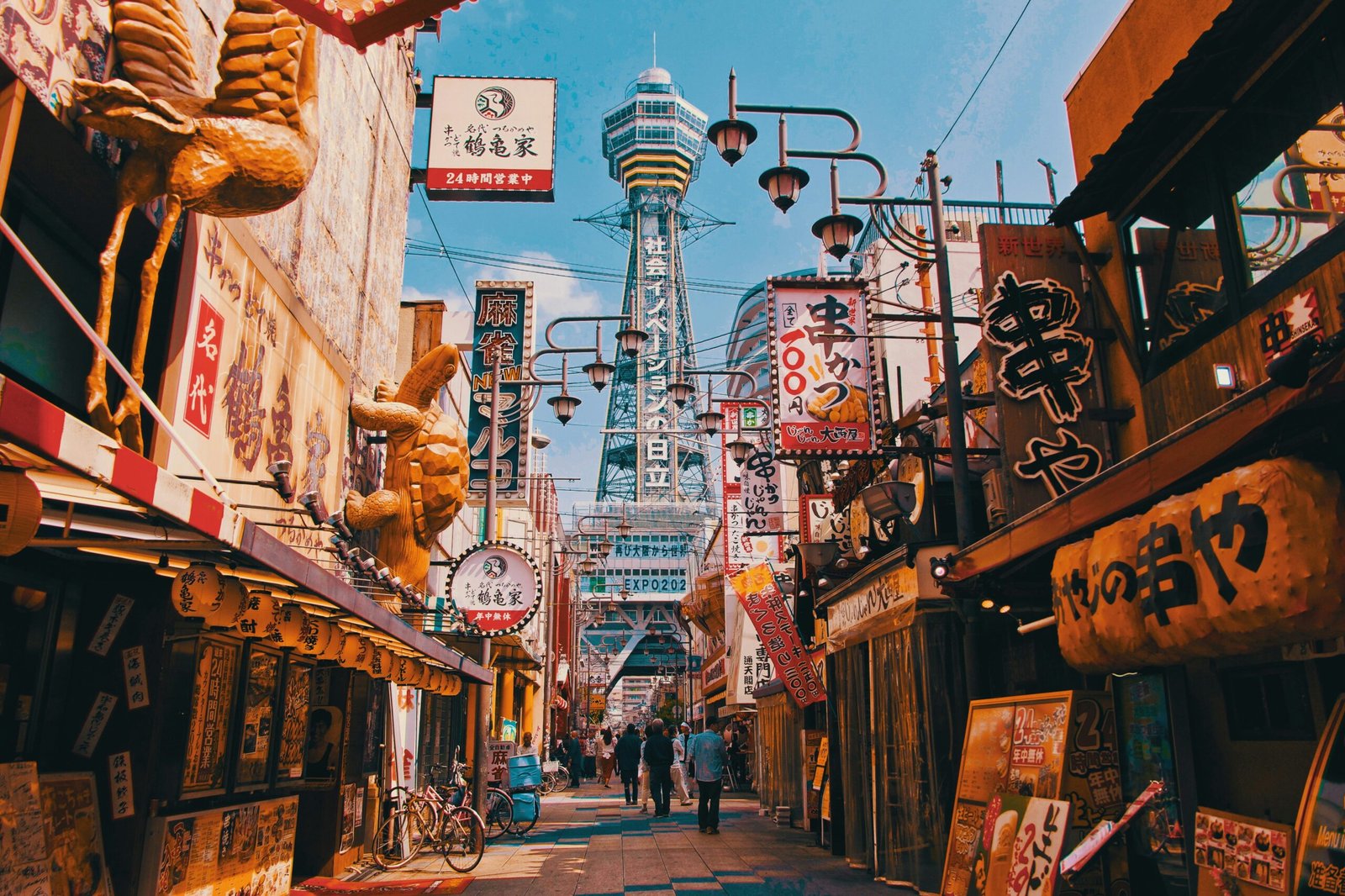
If Tokyo is the serious big brother, Osaka is the fun-loving, welcoming sibling who always has the best snacks. Known as “Japan’s Kitchen,” Osaka is favoured by foreigners for its famous local dialect and its “Ek Number” food culture.2 By 2026, Osaka will have leapt to 18th in global city rankings, thanks in part to its successful hosting of the World Expo.
Economic Vibrancy and Affordability
Osaka is Japan’s second-largest economic hub, with a heavy focus on manufacturing, commerce, and a rapidly emerging startup scene. The cost of living here is significantly lower than in Tokyo, with housing and groceries being 10–20% cheaper on average. This makes it an ideal choice for expats who want big-city energy without the “Tempo Ganesha” stress of Tokyo’s crowds.
In central Osaka, a studio apartment in Umeda averages around ¥61,900, which is over ¥11,000 cheaper than a comparable unit in Tokyo’s Shinjuku. If you are moving with a family, the gap widens even more, with Osaka offering much more “space for your yen”.
Residential Picks in Osaka
Umeda is the commercial powerhouse, perfect for those who want high accessibility and high-rise living. Namba is the entertainment heart, popular with younger residents and foodies who want takoyaki on every corner. For families, Suita is a fantastic suburban choice, offering larger apartments and a kid-friendly environment.
Sapporo: Nature, Space, and the Northern Quality of Life
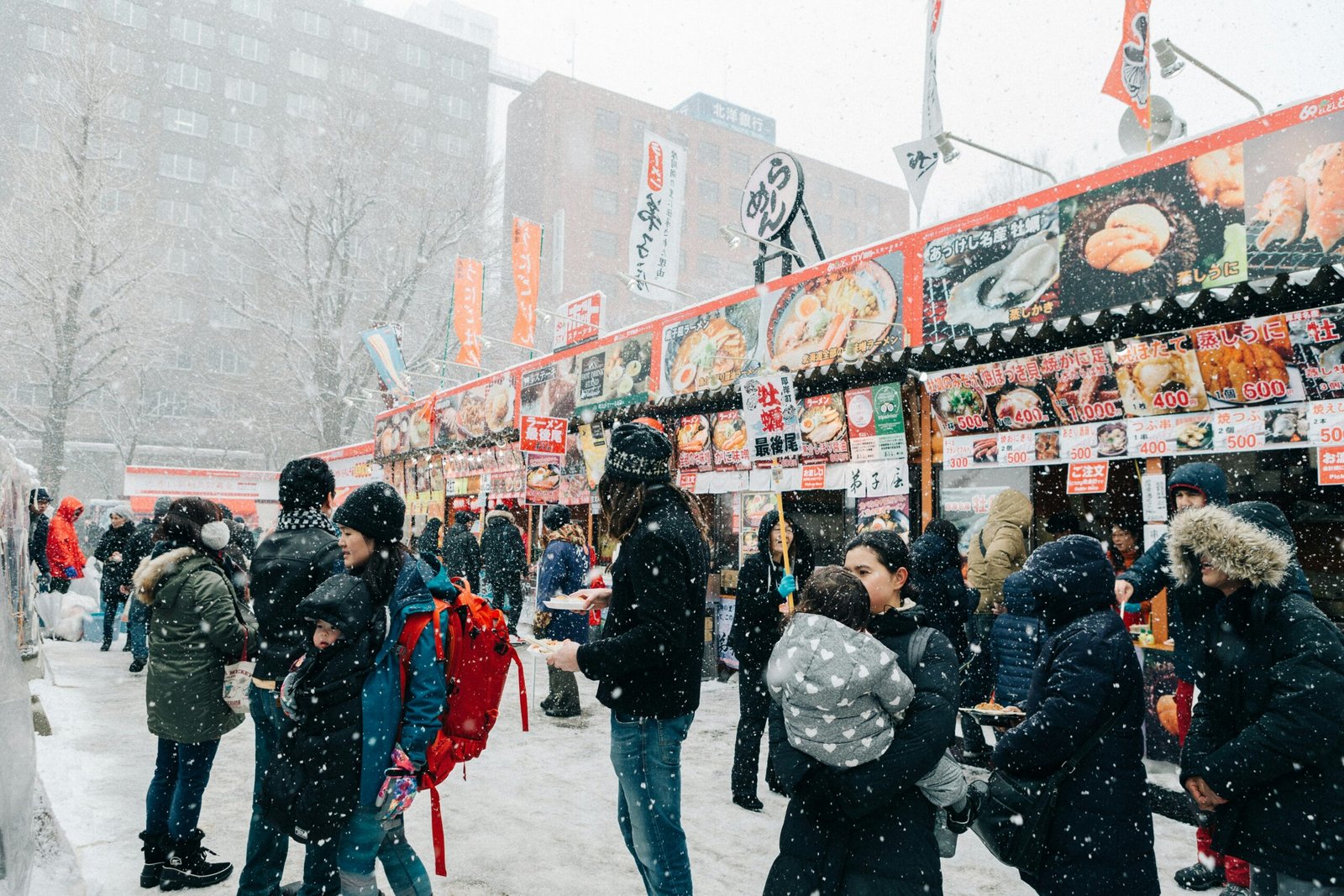
If you love the cold and want some serious space, Sapporo is where it’s at. The capital of Hokkaido offers something rare in Japan—wide boulevards, newer buildings, and half the population density of Tokyo. In 2026, it is ranked as the safest city in Japan with a safety score of 93.2 out of 100.
Embracing the Winter
Most cities tolerate winter, but Sapporo embraces it. The infrastructure is built for snow, with well-maintained streets and an underground walkway system that keeps you warm while you commute. Living in Sapporo means world-class skiing is just 40 minutes away. However, you have to be ready for the “mystery boom”—the sound of heavy snow sliding off roofs—and the extra costs for heating and studless winter tyres.
Affordability and Cuisine
Sapporo is one of the cheapest major cities to live in. Rents are roughly 14.1% lower than in Tokyo, and supermarket produce is often 20% cheaper. A studio in the upscale Maruyama area can be as low as ¥30,900. And the food? Bhiyaa, the seafood, ramen, and beer are world-class.
Top 3 Residential Picks in Sapporo
Maruyama is the upscale, quiet choice near the park and zoo. Odori is the central heart, perfect for those who want to be in the middle of festivals and events. Hiragishi is a quiet, affordable neighbourhood that has become very popular with students and remote workers.
Fukuoka: The Startup Gateway and Entrepreneur Frontier
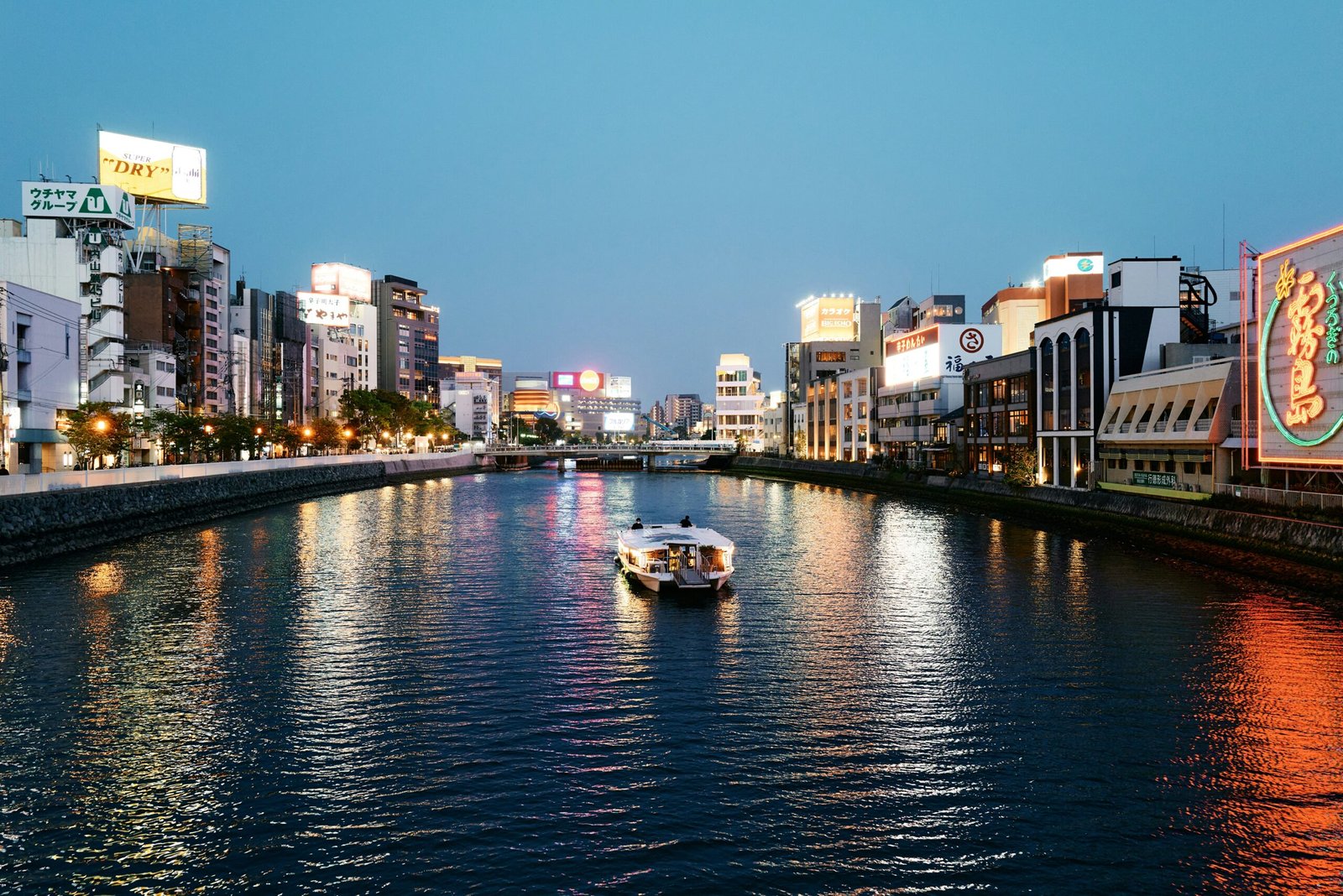
Fukuoka is the “rising star” of Japanese cities in 2026. It is compact, coastal, and incredibly business-friendly, especially for foreign entrepreneurs. It was the first city in Japan to offer a Startup Visa, making it a “Bhannat” choice for those looking to launch their own company.
The Startup Ecosystem and Lifestyle
Fukuoka’s tech and startup scene is growing fast, focusing on knowledge-based industries like FinTech, software development, and robotics. The city offers a unique balance: you can be in a high-tech meeting in the morning and on the beach or on a mountain hike in the afternoon. The airport is famously only 10 minutes from downtown, which is a huge plus for anyone travelling frequently across Asia.
Affordability and Community
Fukuoka stands out as one of the most affordable cities, with downtown one-bedroom apartments costing around ¥65,000 to ¥90,000. While English isn’t as common as in Tokyo, the locals are known for being friendly and helpful. The city also hosts Kyushu’s largest Indian festival at Tenjin Central Park, featuring over 50 vendors and live Bollywood performances.
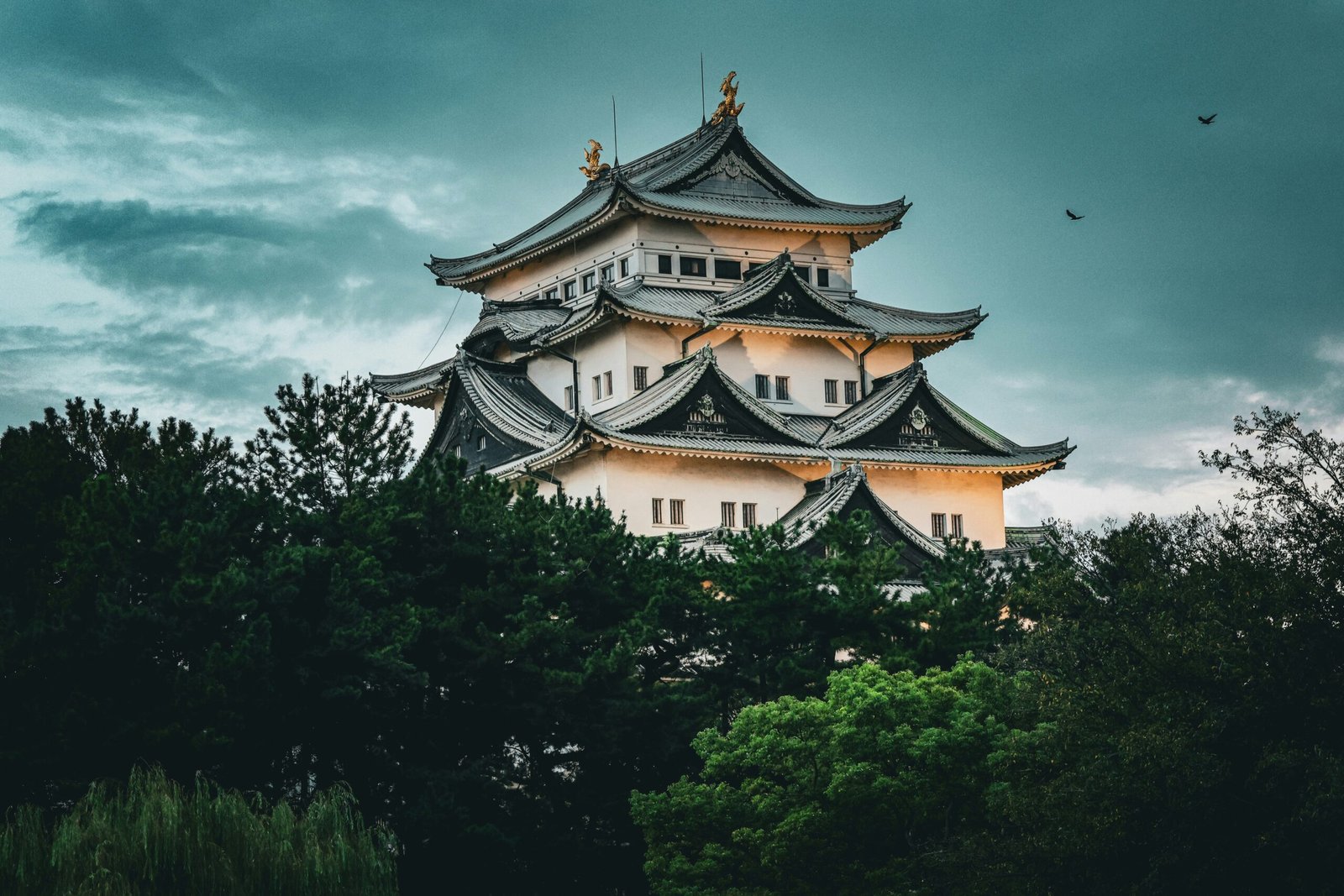
Nagoya: The Industrial Powerhouse and Central Hub
Nagoya might not be as flashy as Tokyo, but it is a manufacturing beast. It accounts for 11% of Japan’s GDP and is the global headquarters for companies like Toyota, Denso, and Mitsubishi. For Indian mechanical engineers, Nagoya is the place to be.
Engineering Careers and Stability
In 2026, there will be a severe shortage of skilled manufacturing talent in Nagoya. Mechanical engineers from India are being recruited with average salaries of around ¥5.94 million per year. Roles in CAD design, production engineering, and R&D for electric vehicles and robotics are plentiful.
Family-Friendly Livability
Nagoya is often cited as a top choice for expat families due to its high level of safety, low crime rates, and abundance of parks. Housing is affordable, and homes are typically 50–70% larger than in Tokyo or Osaka. Plus, for anime fans, it’s home to Ghibli Park.
Top Neighbourhoods in Nagoya
Sakae is the bustling downtown area, great for visiting but expensive to live in. Kakuozan, the artist district, is a hidden gem for residents who want a mix of beautiful cafes and traditional craft markets.
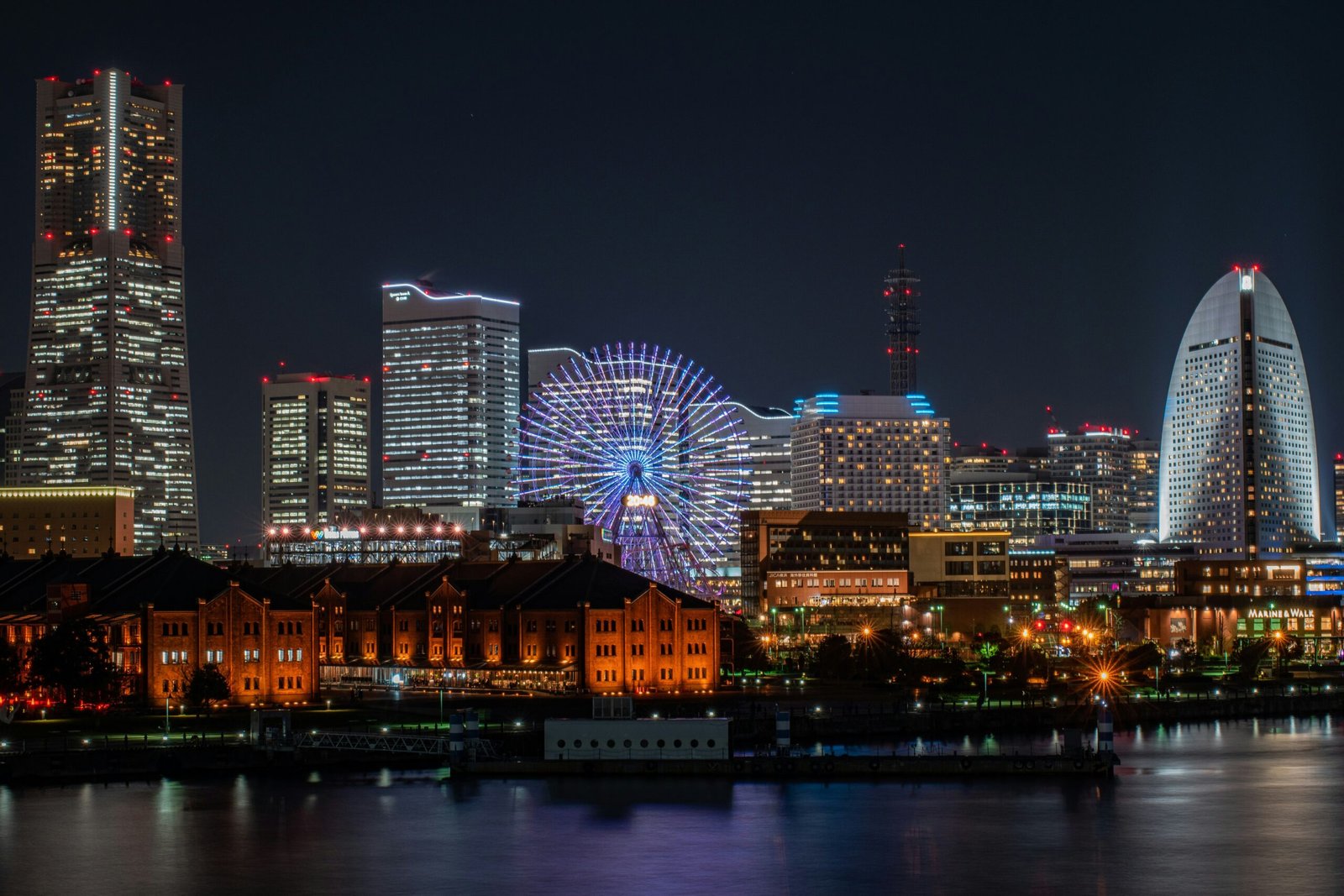
Yokohama: Maritime Livability and International Roots
Yokohama is Japan’s second-largest city and Tokyo’s next-door neighbour. It offers gorgeous ocean views and a more relaxed, cosmopolitan vibe while keeping you within 30 minutes of the capital.
The Indian Connection
Yokohama has a long history of international residents. It is home to the India International School in Japan (IISJ), which has been a “solid rock” for the Indian diaspora since 2009. The school follows the CBSE curriculum, making it easy for Indian families to relocate without disrupting their children’s education.
Residential Picks in Yokohama
Minato Mirai 21 is the modern, high-tech hub perfect for young professionals and digital nomads. Yamate is the historic international district, though it can be more expensive. Kanagawa Ward offers a mix of residential comfort and proximity to the industrial zones where many global factories are located.
Statistical Comparison of Major Cities (2026 Projections)
To help you make your final choice, here is the “Ek Number” table summarising the key data for each city.
| City | Estimated Population (2026) | Avg. Studio Rent (Monthly) | Safety Index Score | Primary Industry / Perk |
|---|---|---|---|---|
| Tokyo | 36,953,600 | ¥91,000 | 77.73 | Global Hub / Finance & IT |
| Osaka | 18,873,900 | ¥61,000 | 74.20 | Food Capital / Expo 2025 |
| Nagoya | 9,511,730 | ¥55,000 | 91.00 | Industrial / Toyota Hub |
| Fukuoka | 5,453,200 | ¥50,000 | 86.50 | Startups / Beach Access |
| Yokohama | 3,777,491 | ¥68,000 | 78.50 | Maritime / Indian School |
| Sapporo | 2,645,940 | ¥33,000 | 93.20 | Winter Sports / Low Cost |
| Kyoto | 1,459,640 | ¥52,800 | 88.00 | Cultural / Tech R&D |
Note: Rents are national averages for 1R/1K apartments; central ward rents in Tokyo and Osaka will be higher.
Navigating the Path to Japan: Visas, Language, and PR
Moving to Japan is not just about choosing a city; it’s about navigating the paperwork. By 2026, the Japanese government will have made language proficiency a “structural necessity” for long-term residency.
The Language Barrier and JLPT
I cannot stress this enough: learn Japanese! While you can get IT jobs with little Japanese, you will hit a career ceiling without it. JLPT N2 is the gold standard for corporate careers, and as of late 2025, it is now codified as a requirement for certain Business Manager visas. Even for Permanent Residency (PR), immigration officers are now looking for N3/N4 as a baseline for social integration. Don’t be a “Paper N2” holder who can’t speak; focus on conversational skills to truly thrive.
Visa Pathways
For most Indian professionals, the Engineer/Specialist in Humanities visa is the standard. However, the Highly Skilled Professional (HSP) visa is a fast-track to PR, potentially allowing you to apply in as little as 1 to 3 years if you have enough points. The Specified Skilled Worker (SSW) program is also a great option for those in nursing, hospitality, or agriculture.
Frequently Asked Questions (FAQs)
Q1. Can I move to Japan with a lower board score (like 57%)?
Yes, bhiyaa! Moving to Japan is more about a strategic plan than just your high school grades. While it’s challenging, if you have the right technical skills and Japanese language proficiency, your board scores won’t stop you from succeeding in the Japanese job market.
Q2. Is it possible to find Indian food in these cities?
Absolutely! With over 55,000 Indians in Japan, you are never far from home. Tokyo’s Nishi-Kasai is full of Indian stores, and online shops like Ambika and Indobazaar deliver spices and dals nationwide. Even Sapporo has established Indian restaurants like the Taj Mahal group.
Q3. What are the typical move-in costs for an apartment?
Bhiyaa, this is where it can get a bit “Jhand Po-Po”. You need to save up for Shiki-kin (deposit), Rei-kin (key money), and agency fees, which can total 4–6 months of rent upfront. Always look for “No Key Money” apartments to save some serious cash.
Q4. Can I bring my family to Japan immediately?
Usually, the process is sequential. You arrive first, find a house, and then apply for a Dependent Certificate of Eligibility (COE) for your spouse and kids. It might mean a few months of separation, so be prepared for that.
Q5. Which city is best for a remote worker/digital nomad?
Fukuoka and Yokohama are currently the best picks for digital nomads. They offer modern coworking spaces that are cheaper than Tokyo, and the quality of life—with beaches in Fukuoka and the waterfront in Yokohama—is just “Ek Number”.
Conclusion
Bhai, whether you choose the high-octane life of Tokyo, the foodie paradise of Osaka, the industrial stability of Nagoya, or the snowy peaks of Sapporo, Japan in 2026 is full of opportunities for those who are prepared. The key is to pick the city that matches your specific skills and lifestyle needs. If you are a mechanical engineer, Nagoya is calling. If you are a founder, Fukuoka is your home. If you are a corporate shark, Tokyo awaits.
Japan is safe, efficient, and increasingly welcoming to our Indian community. So, start learning Hiragana, Katakana, and Kanji, and get your documents in order. It’s time to make your move!
✍️ Bonus: Need Help Starting?
✅ Job hunting tips and real listings for foreigners in Japan
✅ Visa guidance made simple—no confusing search
✅ Resume & cover letter templates (Japanese & English formats)
✅ Life in Japan explained — from rent to ramen
✅ Travel guides & city recommendations for every kind of explorer
✅ Work culture insights to help you adjust and thrive